American public opinion of China on the decline
Society & Culture
Top society and culture news for February 16, 2017. Part of the daily The China Project news roundup "Female assassins kill North Korean leader’s half brother en route to China."
-
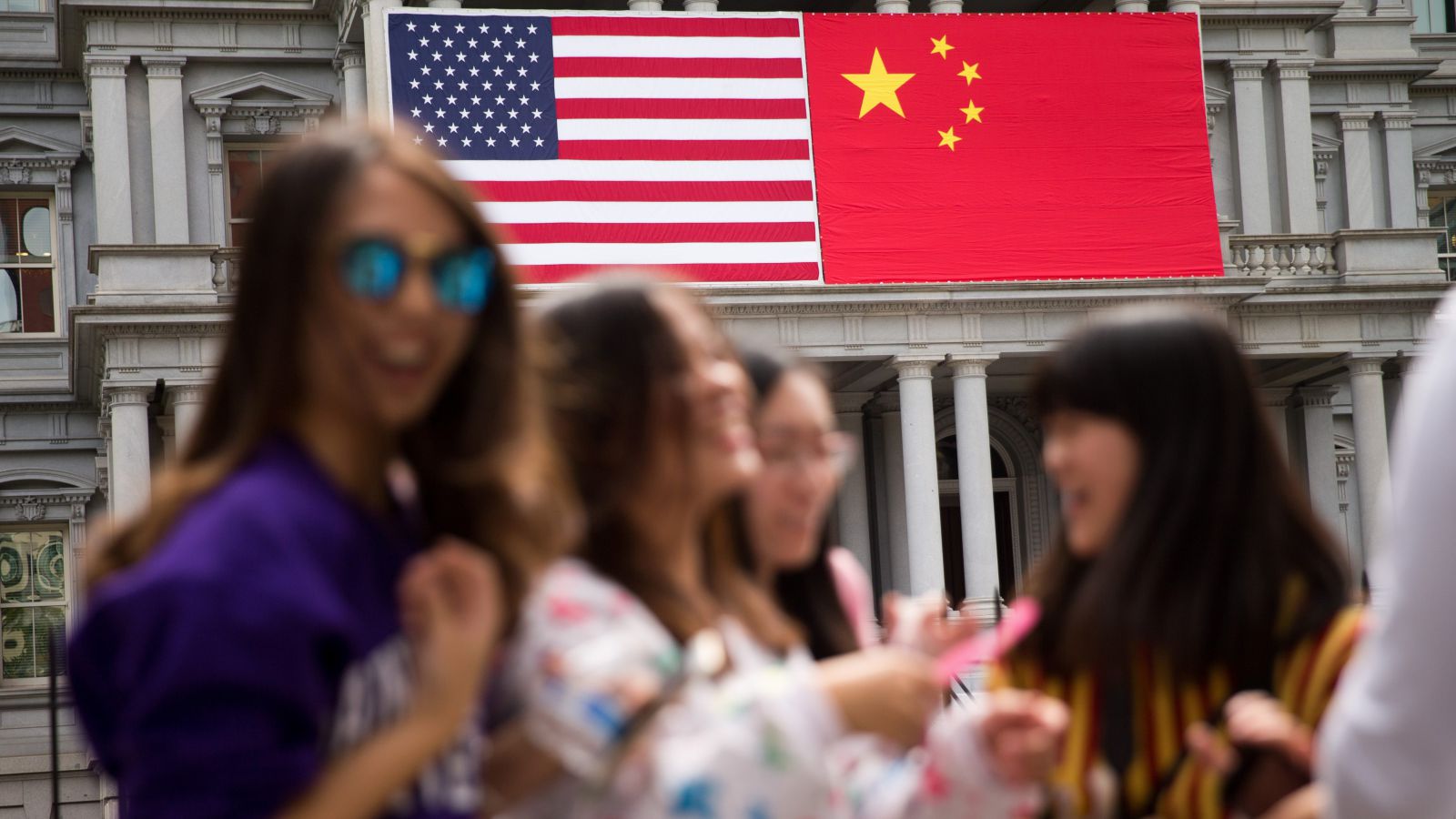
How Americans and Chinese view their countries and each other, in three charts / Quartz
In a January survey conducted by Pew Research Center, 65 percent of Americans held a negative opinion of China, viewing the country as either an adversary or a serious problem. A separate survey in 2016 indicated that a total of 55 percent of Americans had an unfavorable attitude to China, while 44 percent of Chinese felt similar antipathy to the U.S. From 2006 to 2016, Americans’ negative view of China has increased by 26 percentage points. In comparison, the Chinese unfavorable view of the U.S. remained at a relatively low rate of under 50 percent for most of Barack Obama’s presidency. The January survey also showed that an increasing number of Americans believe that their country is now a declining power in the global arena. The Chinese public, on the other hand, see its nation’s influence as on the rise. -
The problem of rising bride prices in China’s bare branch villages / What’s on Weibo
In rural areas of contemporary China, a common challenge facing many single men is how to pay staggering prices to a bride’s family upon marriage. As an age-old tradition in China, especially in less-developed areas, bride price refers to the money or goods paid by the groom or his family to the parents of the bride before marriage. Over the past years, bride prices in some areas have reached an astonishingly high level of around 100,000 yuan ($14,000), which most single rural men can’t afford. The situation, according to sociologist Zhang Yi, is in part due to China’s gender imbalance, which has resulted in a surplus of men; the fact that the majority of Chinese single young men live in rural regions whereas most young women are concentrated in bigger cities; and the growing trend of so-called “bride price culture.”
- Chinese dating show puts veto power in parents’ hands / NYT (paywall)
- Book review: Rare writer who hates the word ‘I’ / NYT (paywall)
- Of exports, envoys, Boxers and books — Midwestern links to the Middle Kingdom / LARB blog