Tesla and Tencent: A smart move by Elon Musk
Top business and technology news news for March 31, 2017. Part of the daily The China Project news roundup "Chinese reactions to Trump’s tweets"

Tesla has been growing steadily in China: The electric auto manufacturer last year sold about 7,500 vehicles in the country, accounting for more than 15 percent of its total revenues. The company currently has 24 stores in mainland China, 114 supercharging stations, and 348 regular charging stations. But it is far from dominant in the country. There are currently more than 100 companies developing several thousand models of electric vehicles, and while the government may force many of them out of business by implementing strict standards, it is also offering massive subsidies that Bloomberg says “can total 60 percent of an electric car’s sticker price.” An additional factor is that many Chinese cities are adopting quotas for cars to reduce congestion and smog, but exempting electric vehicles from the restrictions: This is likely to drive consumer demand and encourage Chinese companies to compete in the space. Finally, the government’s Made in China 2025 plan that subsidizes and promotes local industries at the expense of purely foreign companies is another possible risk for Tesla.
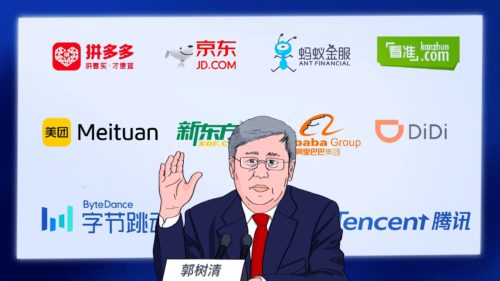
In light of all of this, it was a wise play by Elon Musk to take a $1.78 billion investment from Tencent — the firm behind the WeChat messaging app — for 5 percent of Tesla. Writing for Bloomberg, Adam Minter says that aside from “shoring up its ugly balance sheet,” the investment is “far more important for Tesla’s future prospects than for its current needs.”